What Is Breast Density?
Breasts are made up of:
- Fat tissue
- Fibrous tissue
- Glandular tissue
Breast density refers to the proportion of fibrous and glandular tissue compared to fatty tissue, as seen on a mammogram.
On a mammogram:
- Fatty tissue appears dark
- Dense tissue appears white
The challenge? Tumors also appear white, making cancer harder to detect in dense breasts.
How Common Is It?
Breast density is very common:
- About 40–50% of women have dense breasts.
- It is more common in younger women.
- Density often decreases after menopause, but not always.
Breast density cannot be determined by how your breasts feel. It can only be assessed through imaging.
Why Does Breast Density Matter?
It Can Increase Breast Cancer Risk
Women with extremely dense breasts have a higher risk of developing breast cancer compared to women with mostly fatty tissue.
The exact reason isn’t fully understood, but dense tissue is associated with greater amounts of glandular cells, which may influence risk.
It Makes Detection More Difficult
Because both dense tissue and tumors appear white on a mammogram, cancers can sometimes be “masked.”
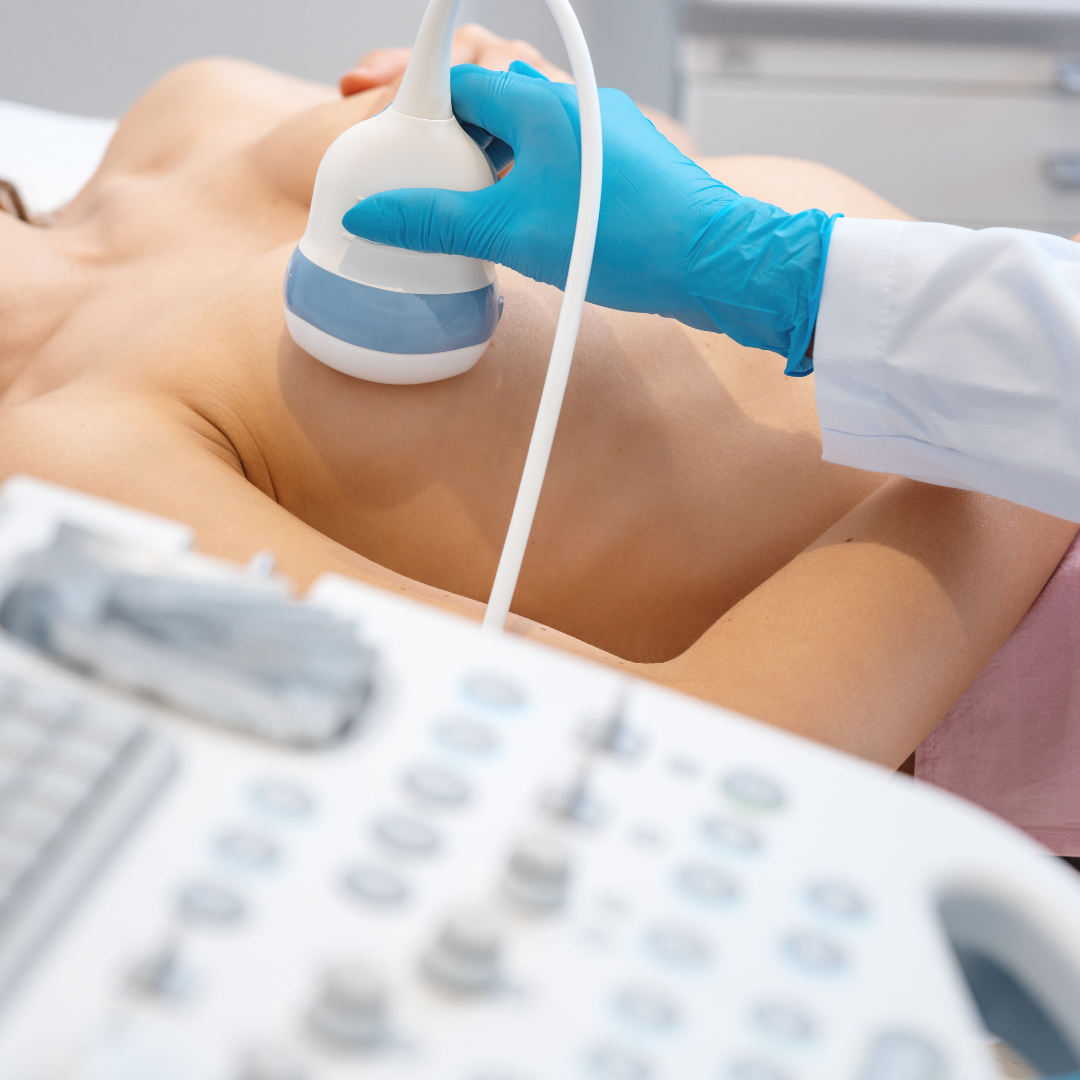
This is why some women with dense breasts may benefit from additional screening methods, such as:
- Ultrasound
- MRI
- Tomosynthesis (3D mammography)
Screening recommendations vary depending on overall risk.
How Do I Know If I Have Dense Breasts?
After a mammogram, your radiology report will classify your breast density into one of four categories (BI-RADS scale):
- A: Almost entirely fatty
- B: Scattered areas of density
- C: Heterogeneously dense
- D: Extremely dense
Categories C and D are considered “dense.”
In many U.S. states and several countries, women are legally required to be informed if they have dense breasts.
What Should You Do If You Have Dense Breasts?
- Ask your doctor how density affects your personal risk profile.
- Discuss whether additional screening might be appropriate.
- Stay consistent with routine screening.
- Pay attention to changes in your breasts between appointments.
Density is one piece of the puzzle, not the whole story.
Why Awareness Matters
Breast density highlights something important: not all women have the same screening needs.
Personalized care based on your risk factors, density, and medical history, leads to better outcomes.
At CleoCare, we believe every woman deserves clarity about her body. Knowing your density is part of knowing your normal.
References
This article is based on guidance from:
- American Cancer Society (ACS) – Dense Breast Tissue
https://www.cancer.org - Centers for Disease Control and Prevention (CDC) – Breast Density
https://www.cdc.gov - National Cancer Institute (NCI/NIH) – Breast Density and Cancer Risk
https://www.cancer.gov - U.S. Food and Drug Administration (FDA) – Mammography Quality Standards Act Updates on Breast Density Notifications
- Radiological Society of North America (RSNA) – BI-RADS Density Classification