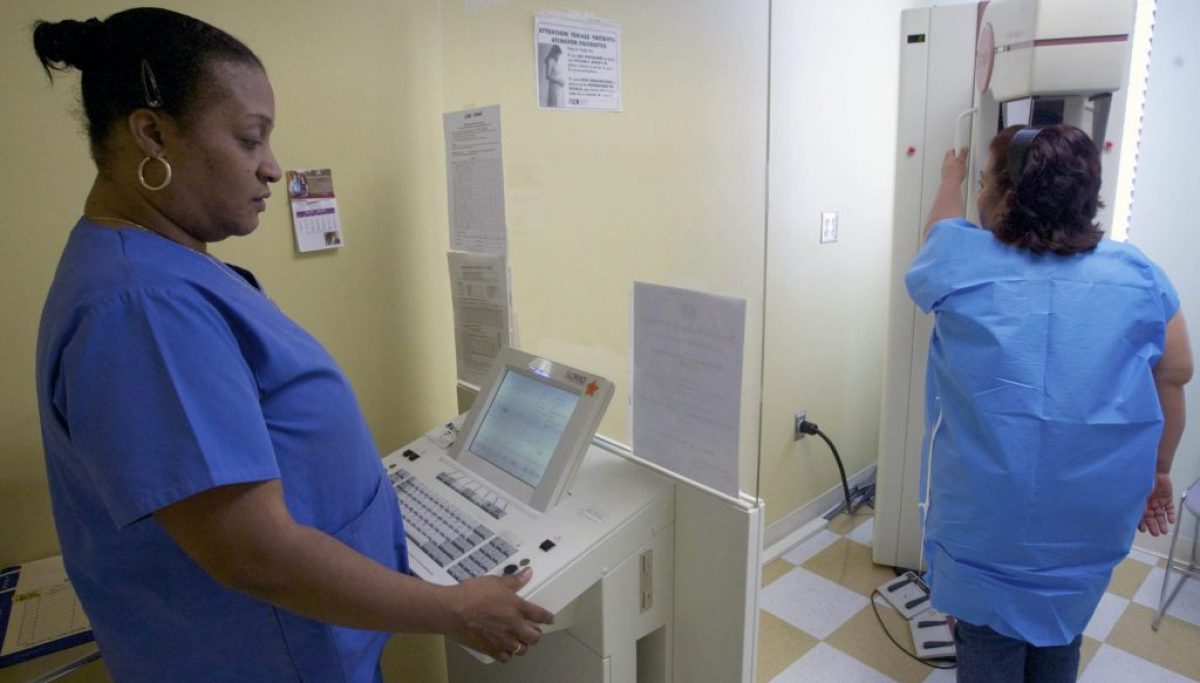
The article highlights the significant financial and health costs associated with detecting breast cancer at advanced stages, particularly for women who are uninsured or underinsured. This issue often leads to delayed screenings, resulting in more aggressive and expensive treatments. The piece underscores the struggles many face in accessing timely preventative care, which could otherwise improve survival rates and reduce healthcare expenditures.
Stephanie Miller, 41, serves as an example; she was diagnosed with Stage 3 triple-negative breast cancer in 2021 after a lump was initially dismissed due to her lack of insurance. Her subsequent treatment expenses surpassed $500,000, largely covered by financial aid, charities, and later, insurance obtained through the Affordable Care Act (ACA). The American Cancer Society Cancer Action Network (ACS CAN) notes that when found early, the 5-year survival rate for breast cancer is 99%, a stark contrast to the higher costs and poorer prognoses associated with late diagnoses. 'For many, especially women of color, the cost of taking a day off, finding childcare, or traveling for testing can be a hurdle,' stated Amy Sherman, policy director for the American Cancer Society Cancer Action Network.
Despite programs like Medicare covering annual mammograms for women 40 and older and the ACA mandating coverage for preventative services, many still face barriers like high deductibles or out-of-pocket maximums. ACS CAN advocates for renewed funding for the National Breast and Cervical Cancer Early Detection Program (NBCCEDP) and the Breast and Cervical Cancer Treatment Program (BCCTP). These programs are crucial for providing free or low-cost screenings and treatment, aiming to reduce the number of late-stage diagnoses and the associated human and financial burdens on individuals and the healthcare system.